
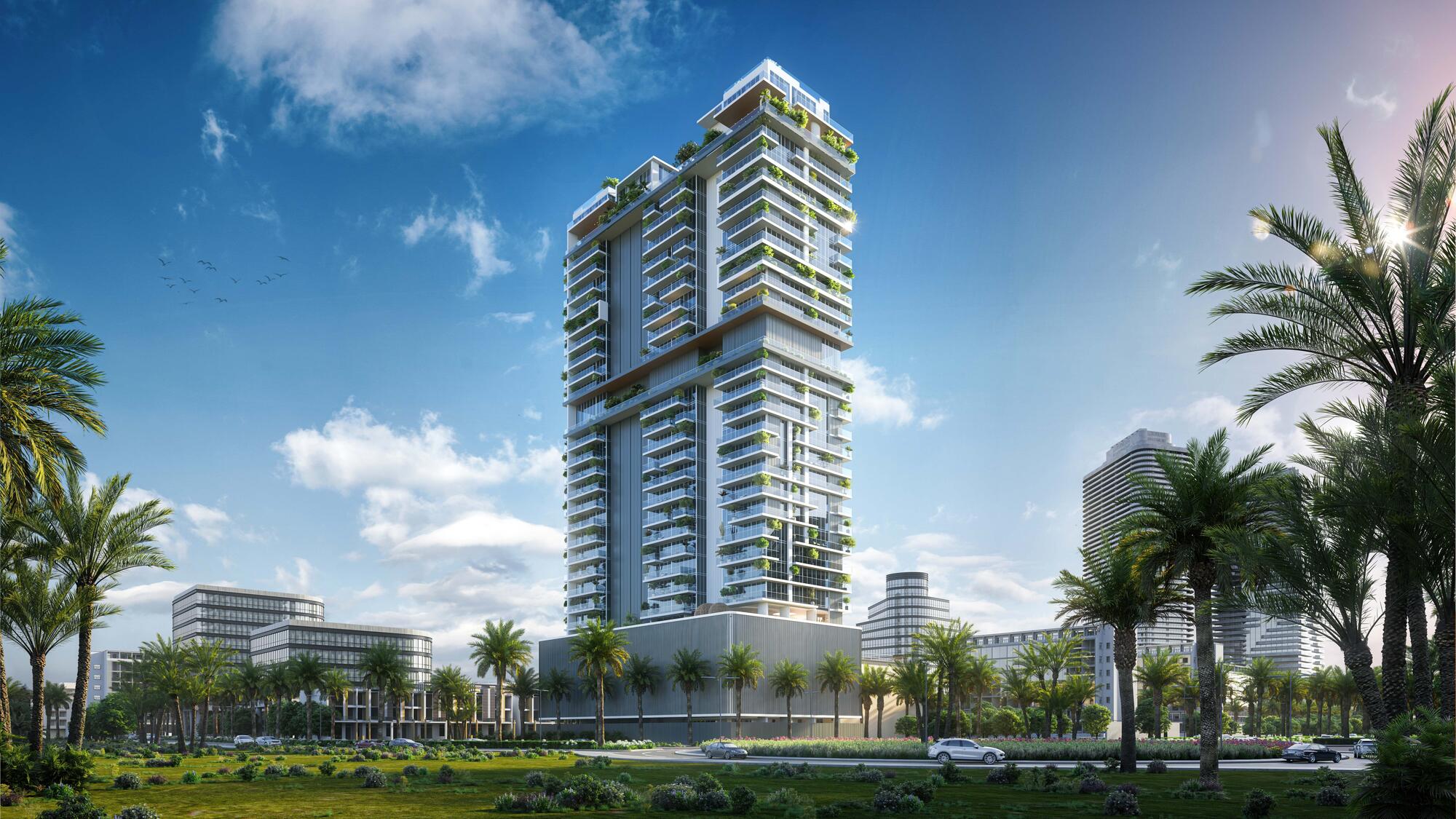
A successful real estate project is the result of planning, clear foresight, and precise execution. From the initial concept to the final handover, every action holds weight. Getting it right means creating lasting value for everyone involved, from investors to the families who will call it home.
Location intelligence:
Brilliant design cannot compensate for a poor location. Successful projects begin with a deep analysis of surrounding infrastructure, employment hubs, school districts, and future municipal plans. A site might look perfect today, but upcoming transport routes or zoning changes can dramatically shift its value. UAE developers study traffic patterns and demographic shifts to predict where people will want to live and work three years from now.
Financial structuring:
Capital is the engine of any project, but access alone is insufficient. The financial architecture must include contingency buffers for material price fluctuations and labor shortages. Interest rate exposure needs careful hedging, while equity partners require clear exit strategies. A solid financial plan anticipates cost overruns and includes reserve funds to complete the project even when unexpected expenses arise.
Regulatory navigation:
Permits and approvals can delay a project for years if mishandled. Successful firms engage with planning authorities early, understanding community concerns before submitting formal applications. Environmental impact studies, height restrictions, and setback requirements are addressed proactively. This early engagement prevents costly redesigns and builds goodwill with local officials who control the final approval.
Design functionality:
Aesthetic appeal attracts initial interest, but functionality determines long-term value. Floor plans must reflect how people actually use space, with adequate storage and natural light. Common areas need durable materials that age gracefully. Sustainable building practices reduce operational costs for future owners. The design should feel current yet timeless, avoiding trendy elements that will look dated within a decade.
Market timing:
Launching a project during an economic downturn differs drastically from releasing units during a boom. Successful developers monitor employment rates, consumer confidence, and mortgage availability. Pre-sale strategies are adjusted based on absorption rates of competing projects. The construction timeline is calibrated to deliver completed units when demand peaks, not when supply floods the market.
Team assembly:
No single person possesses all the expertise required for complex development. The project manager must coordinate architects, engineers, contractors, marketers, and legal counsel. Each specialist brings critical knowledge to their domain. Clear communication channels and defined responsibilities prevent costly misunderstandings.