
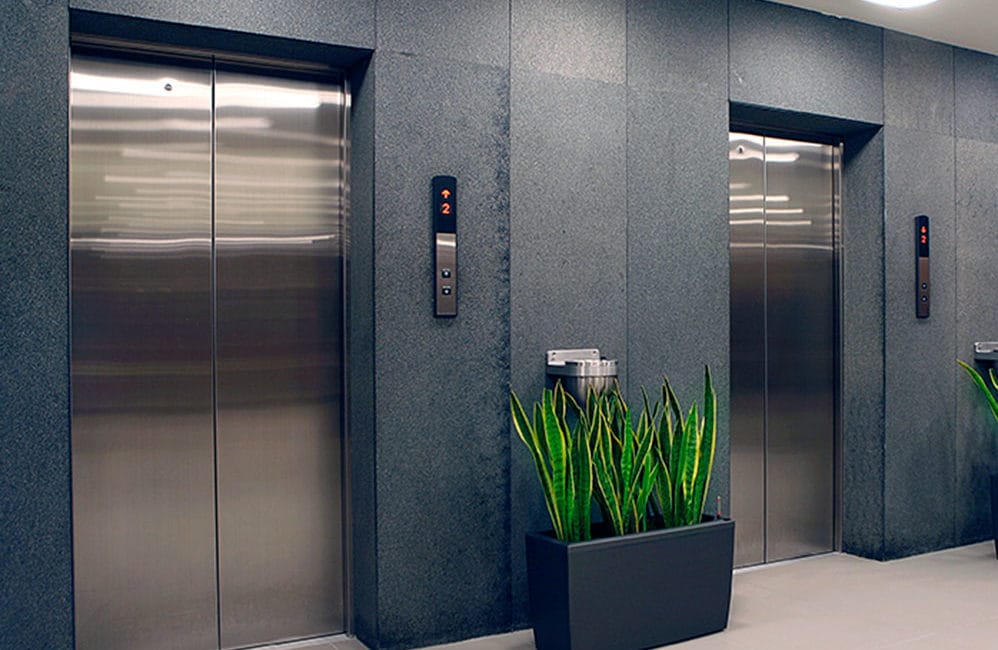
Elevators are essential in residential and commercial buildings, providing convenience and accessibility. However, like any mechanical system, they can encounter issues from time to time. Understanding common lift problems and taking proactive measures can save both time and money while ensuring the safety of all users. Below are some of the most frequent lift for building problems and how they can be effectively prevented.
Frequent Breakdowns
Elevators that malfunction frequently can disrupt daily routines and cause frustration for building occupants. Repeated breakdowns often occur due to components wearing out over time. Regular maintenance and inspections by certified technicians are crucial to keep the system running smoothly. Addressing minor faults promptly can prevent bigger issues from arising, helping to maintain the consistency of the elevator’s operation.
Doors Not Opening or Closing Properly
Malfunctioning doors are one of the most common elevator issues. This can result from misaligned tracks, faulty sensors, or blockages. When the doors do not close properly, it could pose safety risks. It is important to ensure that sensors are cleaned and calibrated, and that the moving parts of the door are serviced regularly. Keeping the elevator door area free of debris can also go a long way in preventing such problems.
Odd Noises or Jerky Movements
Unusual noises or jerky movements during operation often indicate issues with the elevator’s motor, pulleys, or cables. These problems can affect the smoothness of the ride and lead to discomfort or anxiety for passengers. Timely lubrication of mechanical parts, alignment checks, and replacing worn-out cables can help reduce these issues. Technicians should pay special attention to the elevator’s motor health during routine maintenance.
Power Failures
Elevators rely on a stable power supply to function effectively. Interruptions or fluctuations in electricity can cause power failures, leaving passengers stuck until help arrives. Installing backup power systems, such as uninterruptible power supplies (UPS) or generators, provides an additional layer of protection during unexpected outages. Additionally, closely monitoring the building’s electrical system can help avoid power-related lift problems.
Improper Leveling
Improper leveling occurs when the elevator does not stop flush with the floor it is supposed to. This can present a tripping hazard, especially for elderly individuals or those with mobility challenges. Leveling problems are usually caused by brake wear or calibration issues. Regular tuning of the braking system and testing for precision can prevent this problem from occurring.